A score is only as good as the people who play it. DeepSound Audio records real voices and real players because a sampled line is even and obedient, while a living ensemble breathes, argues and resolves. That difference is audible in a single bar.
Voices
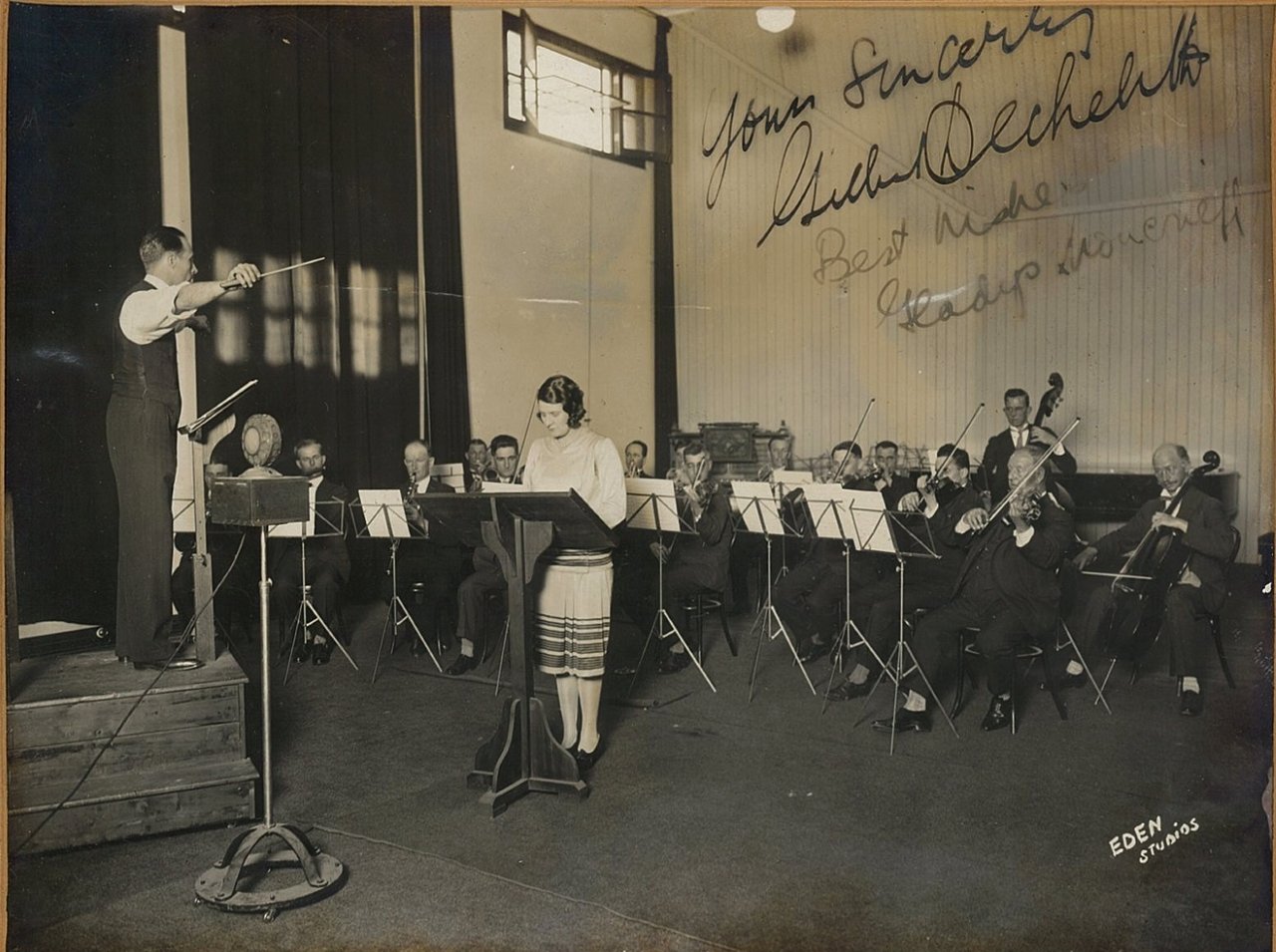
We record solo lead voices for songs, small mixed choirs for choral writing, and solo folk voices for intimate cues. A vocal for picture is not a pop vocal: it often has to sit under dialogue, carry a lyric without over-projecting, and blend into a mix that has room to spare. We record multiple takes and keep the ones that match the scene's timing.
The string family
Strings are the backbone of most scores. We record quartets, sextets and small string sections, and for cues that need weight we overdub in layers until the section reads larger than its headcount. A single solo cello can carry a whole scene; a full section can lift a finale. We choose per cue, not per project.
Brass and woodwinds
Brass brings the house down and can just as easily overpower a quiet film, so we use it deliberately: a single trumpet for a bitter note, a horn section for resolve, low brass for pressure. Woodwinds give us colour rather than power, and they record beautifully in a modest room, which is part of why our live room suits them so well.
Rhythm section and percussion
When a score needs groove, we bring in the rhythm section: piano, bass, drums and hand percussion. For hybrid scores we pair live drums with processed layers, and for tension we treat percussion as an instrument of timing as much as of tone.
How sessions are run
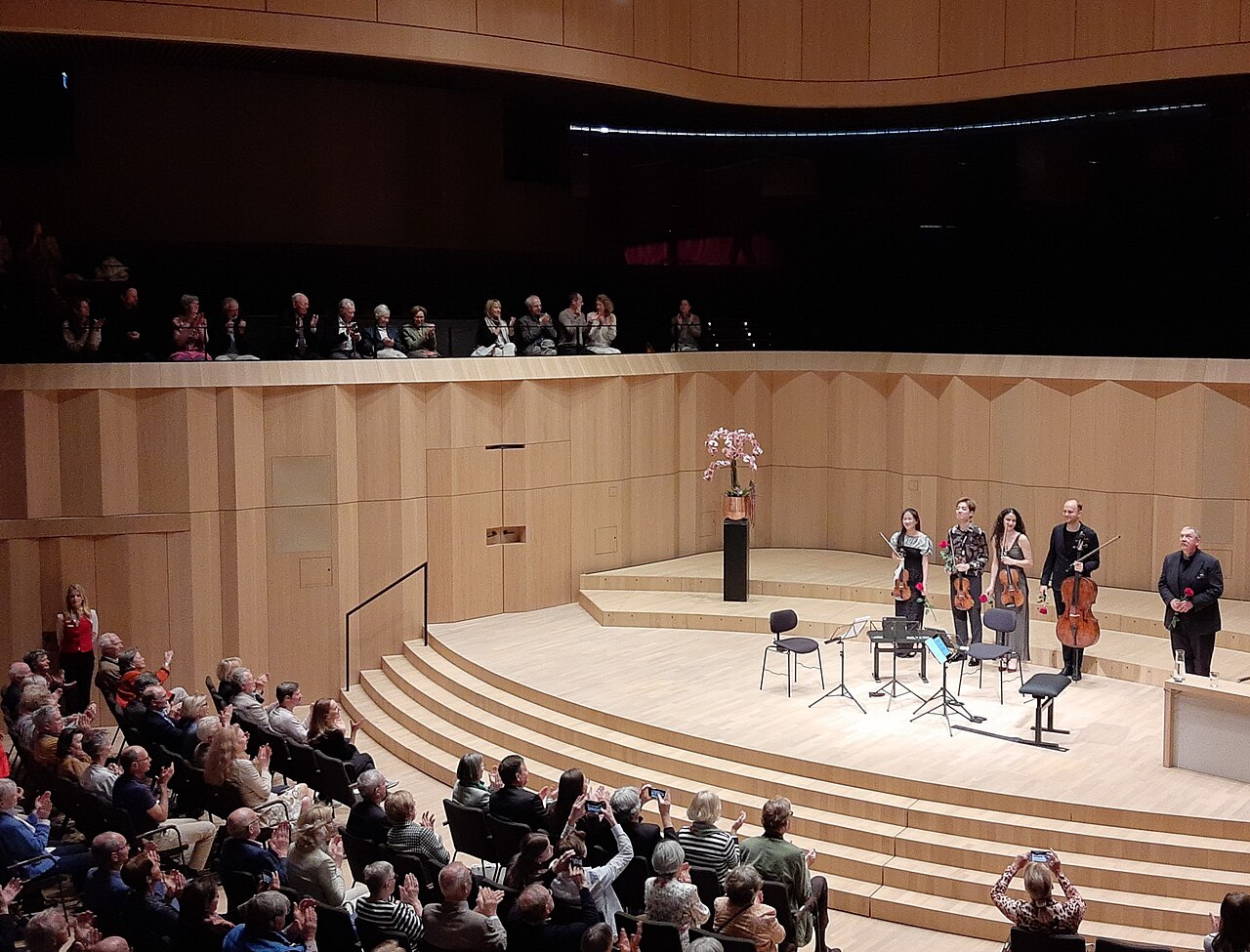
We record the ensemble together where the music benefits from it, and section by section where flexibility matters more. Parts are printed in advance, takes are logged cue by cue, and the engineer keeps the picture on the screen so the players hear what their phrase is answering. The result is a performance that is played to the film rather than dropped onto it.
Credits and paperwork
Every player and vocalist is credited in the session notes, and their contribution is documented for the project archive. That matters when a production needs to prove provenance, and it matters more simply because the musicians did the work.
To see where recorded players fit in a project, read orchestration and arrangement or the page on mixing the score. To discuss a session, send a brief.
Recording players who can read the picture
The players we book are used to sessions where the screen is running and the music has a job. That changes how they phrase a line. A violinist who can hear the dialogue will hold a note a fraction longer where the scene needs it, and a singer who can see the shot will shade a word differently than a session booked blind. We look for that instinct as much as for technique.
We also keep our call list small and known. When a producer wants a warmer cello, the studio knows which player brings that without a round of auditions. Familiar faces make a tight schedule possible, and they make the archive easier to keep consistent from one cue to the next.
Preparing the parts
Players give more when they are not decoding a score on the day. Parts are prepared before the session, with sensible page turns, clear dynamics and the cues a player needs to feel where their line sits in the whole. A well-prepared part sounds calm in the room, and calm sounds better than rushed.
We also record enough to choose from. Sessions are logged take by take, and the engineer keeps a note on which one matched the picture's timing, so the edit that follows is a matter of selection rather than salvage.