DeepSound Audio keeps two rooms and one habit: listen first, then write. One room is for composition and editing, tuned for long passes at a piano and a score. The other is a live room for strings, brass, voices and the occasional drum kit, with a small booth beside it for pickups.
We are a team of six. Two composers, one orchestrator, one recording engineer, one score mixer, and a producer who keeps a project honest about its deadline. We bring in soloists and section players as the music asks for them, from a local string quartet to a full brass section, and we credit every one of them in the session notes.
The composing room
This is where a project is born. A grand piano sits against one wall, a pair of near-field monitors against the other, and both are there for the same reason: to hear the idea before it becomes a schedule. We sketch on paper, then in a sequencing environment, then out loud. A theme that cannot be played at the piano by one person is usually a theme that is doing too much.
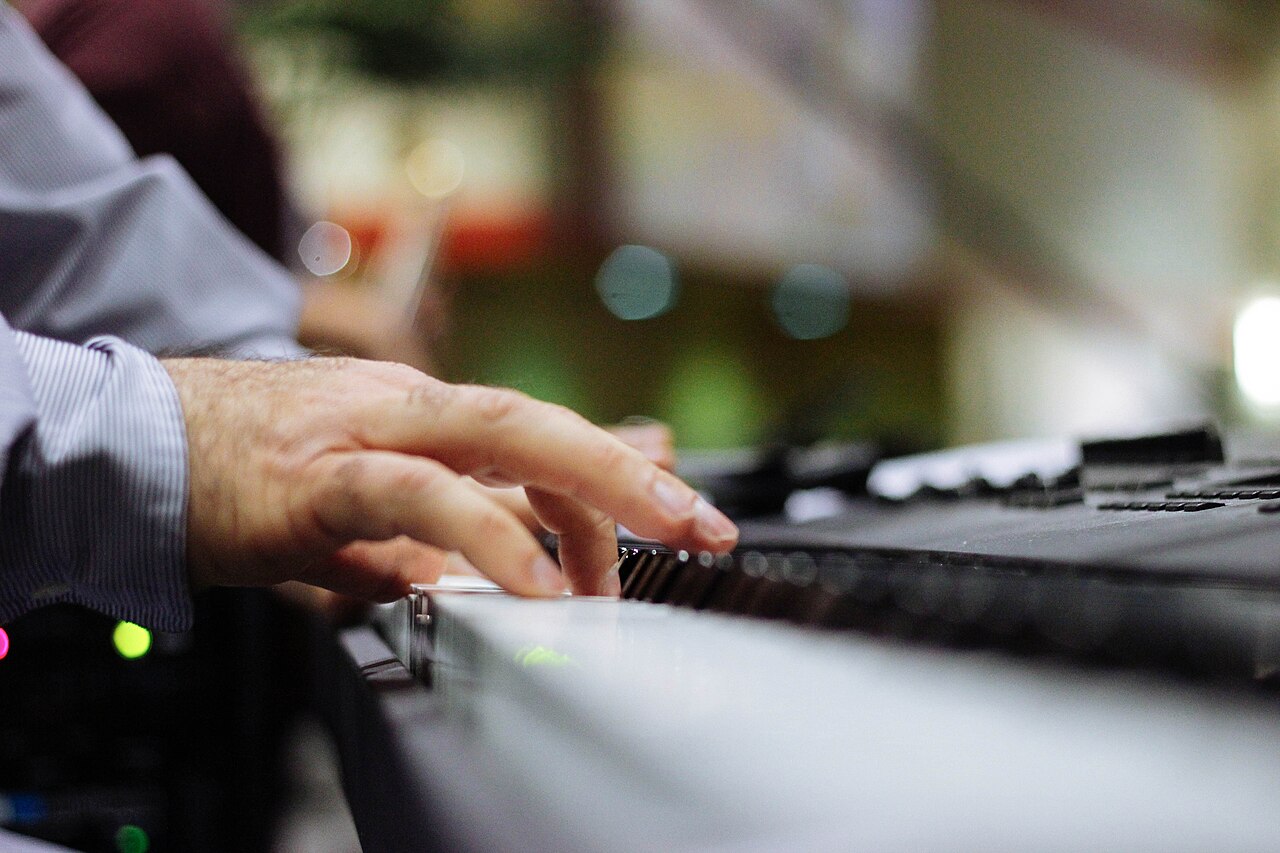
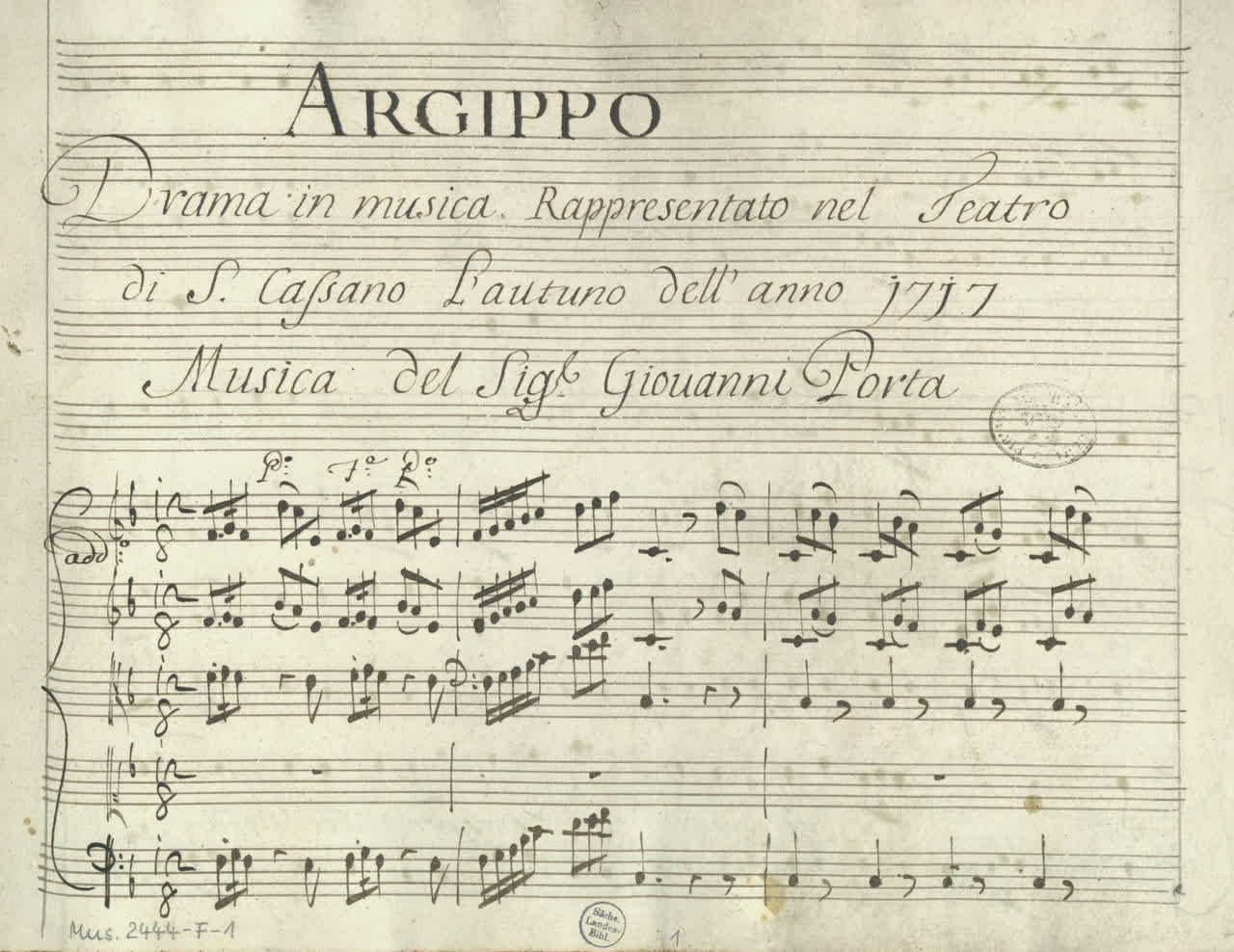
Most of our film and series work begins here and finishes here, with the orchestration handed to a colleague who reads the sketch against the picture and thickens it into the final score. We keep the sketch and the finished score side by side so a director can hear how an idea grew.
The live room
Live players change everything. A sampled string line is even and obedient; a real quartet breathes, argues and resolves. When a cue needs warmth we book the room, print the parts, and record players together rather than one at a time, so the section locks into itself the way a real ensemble does.
The room is a modest size, which keeps it honest for chamber music and unforgiving for anything pretending to be larger. We know its limits, and we choose sessions around them: a sextet sounds like a sextet here, and a full orchestra is better assembled from the sections we can genuinely record well.
How the team splits a project
Theme and cues
Written by a lead composer who stays with the project from spotting to delivery.
Score and parts
Turned into playable parts for the ensemble the music needs, never wider than the budget.
Players and keep
Sessions booked, parts printed, takes logged with an ear on the edit that follows.
Mix and stems
Mixed to picture and split into stems for the dub stage and for future re-cuts.
What we keep in the archive
Every cue we deliver stays in a project archive: the session files, the printed parts, the takes we used and the takes we did not, and a short note on what each cue was meant to do. When a series returns for a second season and the showrunner wants the theme a shade darker, we open the same folder and work from the same theme rather than guessing at it.
If you would like to see how a project moves through these rooms, read our process, or look at the craft pages for film, animation and series. To talk about your own story, send a brief.
Listening rooms and the honesty of a small space
We mix and audition in a room we know to the centimetre. That matters more than the badge on the monitors. When a room is familiar, a low string that sounds thin at three in the morning is known to be thin, and it gets fixed before it reaches a dub stage. A larger, more flattering room tempts a mixer into decisions that only hold there.
The studio keeps a deliberately modest footprint: two rooms, a core team, and a call list of players we have recorded for years. That shape keeps overheads low, which is why a production can commission real musicians without paying for an institution. It also keeps the team close enough that a change in the picture on Tuesday reaches the person printing parts on Tuesday, not next week.