A scoring project has a rhythm of its own, and the studio follows it in the same order every time. The steps below are the spine of a typical film or series commission; a single song or a short cue set will use a subset of them and skip the rest.
1. The first conversation
We start with a call and a cut. You tell us the story in your own words, send a locked or near-locked assembly, and name the date the music has to be finished. We do not quote a number before we have watched the footage, because the honest shape of a score depends on how much music the story actually needs.
2. Spotting session
Together we walk the timeline and decide where music enters, where it leaves, and what each cue has to do. The result is a spotting plan: a list of cues with timings, a rough sense of the ensemble, and a priority order. Directors often find that half the thought happens here, because the plan shows the shape of the score before a note is written.
3. Themes and sketch
We write the themes first, usually three or four that recur through the story: a protagonist's idea, a place, an emotional turn, and one that only appears once. We record these as piano sketches and send them for reaction. This is the cheapest moment to disagree, so we invite it.
4. Orchestration and arrangement
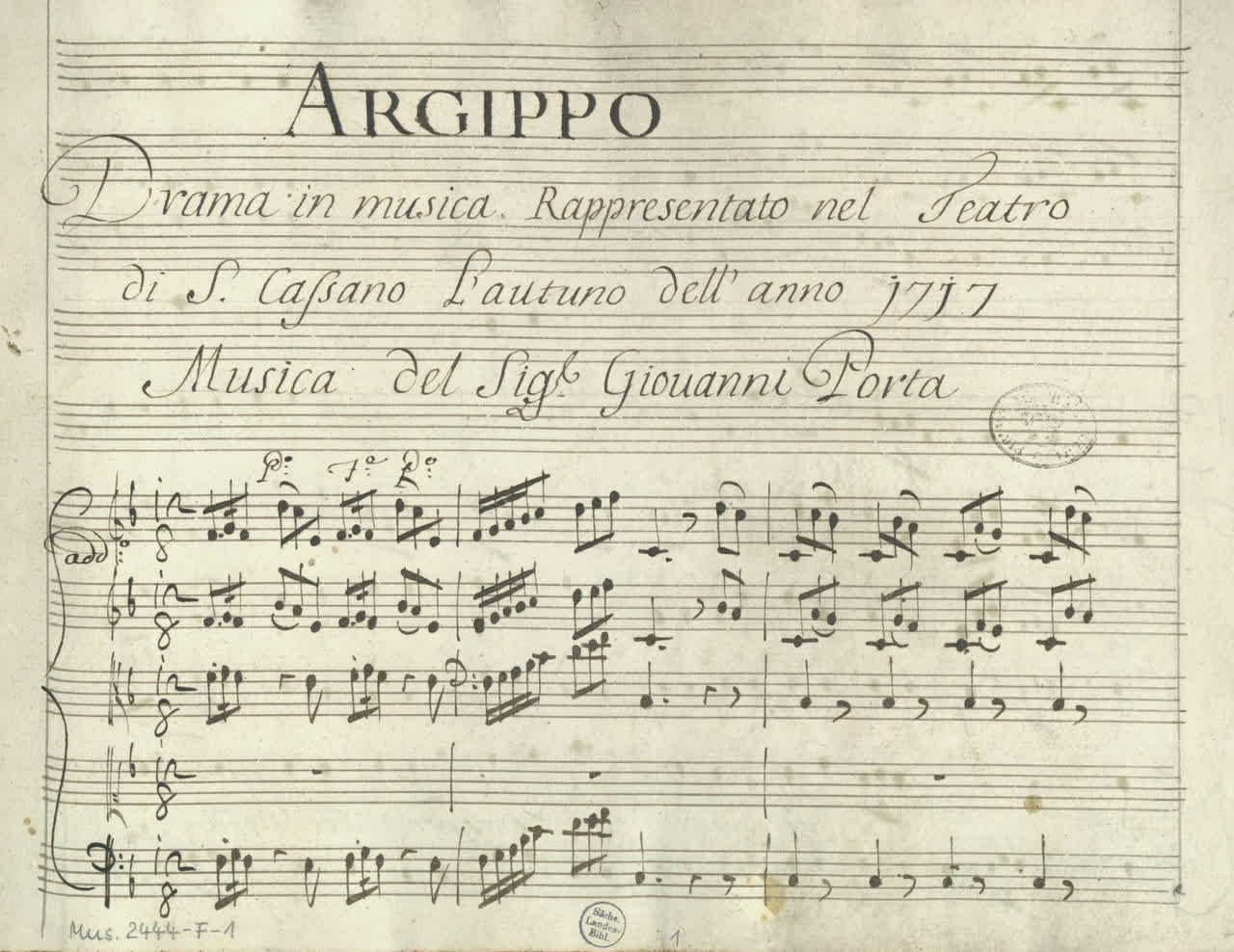
Once the themes are agreed, we decide the ensemble and orchestrate. A small drama may want a string quartet and a solo cello; a fantasy may want brass, choir and a prepared piano. We keep the orchestration inside the recording budget, never writing for a section we cannot afford to record well.
5. Recording
We book the room, print the parts and record the players. Sessions are logged cue by cue, and the engineer marks the takes that match the picture's timing. Where a cue is purely electronic or hybrid, the recording day becomes a production day in the composing room instead.
6. Score mixing for picture
The score is mixed against the dialogue and effects, then split into stems. We deliver a full mix and separated layers so the dub stage can lift the strings under a line or push the percussion in a chase without asking us to re-render the whole cue.
7. Delivery and archive
Final files go out with a cue sheet, session notes and a licence. The whole project is archived, so an edit, a re-cut or a second season can be served from the same source material.
What you always get
- A spotting plan you can read before any music is written.
- Theme sketches delivered early, for reaction, not for approval theatre.
- A fixed schedule from the first conversation, with checkpoints named in advance.
- A full mix plus stems, cue sheets and a signed licence in one folder.
Every step above has a page: scoring for film, animation and series, plus pages on orchestration and score mixing. When you are ready to start at step one, send a brief.
What a good checkpoint looks like
Every stage above ends with something you can react to, and that is deliberate. A spotting plan you can argue with, theme sketches you can hear, a rough mix you can live with for a day. A process that only shows the finished score is a process that turns a small disagreement into an expensive one, and we would rather have the disagreement while it is still cheap.
We also keep the schedule visible. Nobody likes being told at the last moment that a cue is delayed, so the studio names its checkpoints in advance and holds to them. The plan changes when the picture changes, and when it does, you hear about it the same day.